
The $952 Billion Day: Jensen Huang Resigned, Nvidia Bled — Then the Board Brought Him Back
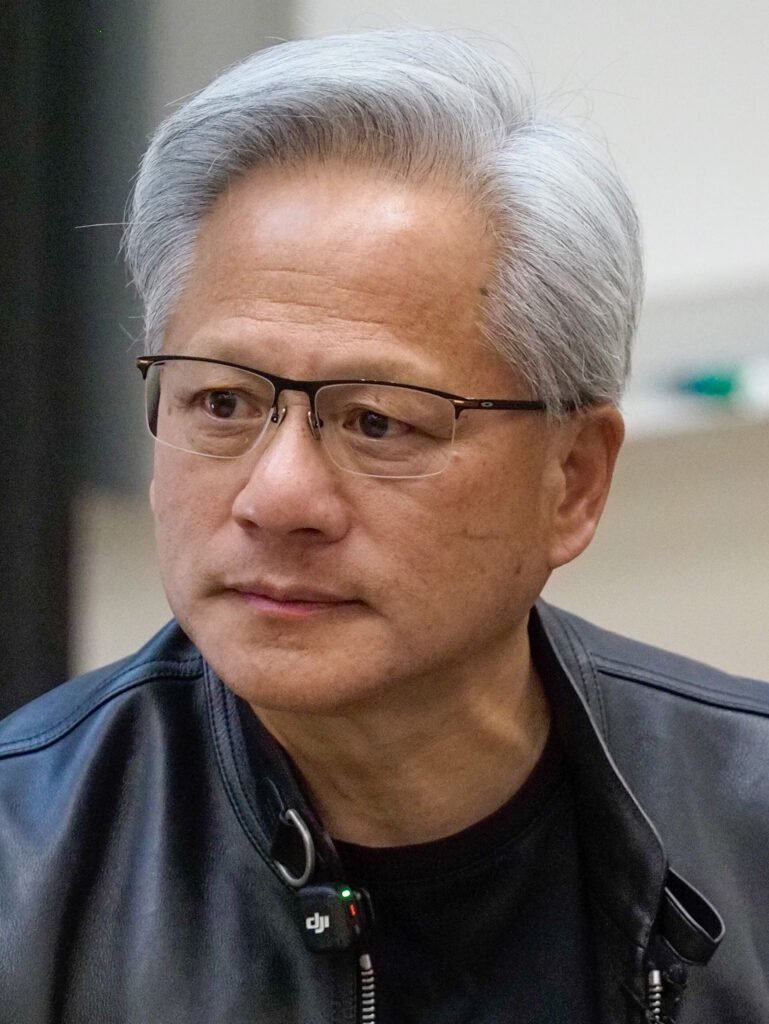
On Monday morning, November 23rd, Nvidia’s board did something almost unheard of in corporate America: it gave the founder his company back. Jensen Huang — who had resigned as president, chief executive and board director just eleven days earlier, in the middle of a scandal that reached from a Singapore data-center firm to the United States Senate — was reinstated to all three jobs, effective immediately, by a unanimous vote of the board he had just quit.
Key Facts
- On Thursday, 12 November, Nvidia announced that Jensen Huang had resigned; the board had accepted his resignation the day before. Chief Financial Officer Colette Kress became interim CEO.
- The board voted unanimously on Sunday, 22 November, to bring Jensen Huang back, and announced the decision before Monday, 23 November’s open.
- On 23 November the stock opened up more than 30 percent, traded as high as $171.50, and closed at $165.05 — up $39.52 on the day, adding $952 billion in market value.
- After a seven-session slide, the stock had closed at $125.53, down about a third from two weeks earlier and nearly half below its record close of about $239 on 6 October.
- Nvidia’s board said it had “received input from senior levels of the United States government.” In a CNBC interview, President Donald Trump said, “I made the deal.” The board’s statement did not name him.
Table of Contents
The market’s answer took one trading day. Nvidia’s stock, which had closed Friday at $125.53 — a 52-week closing low, after seven straight losing sessions — surged 31.48 percent on Monday to close at $165.05. That single day added about $952 billion to Nvidia’s market value, according to Dow Jones Market Data — by MarketWatch’s reckoning, the biggest single-day gain for any stock in the history of the U.S. market. Nvidia’s market capitalisation went from roughly $3.0 trillion on Friday to about $3.98 trillion on Monday. It was the stock’s biggest single-day percentage gain in more than two decades.
“I am honored to return to NVIDIA,” Jensen Huang said in his first statement, “and lead one of the most consequential technology companies in the world at the beginning of a new industrial revolution.”
How the Fall Started
To understand Monday, you have to rewind two weeks. Before the scandal broke, Nvidia closed on Friday, November 6th at $186.64. Over that weekend, reports emerged that Jensen Huang had admitted to an extramarital affair with Alice Huang, an executive at Singapore-based data-center company Megaspeed — a woman U.S. intelligence officials reportedly suspected of spying for China. The board announced an investigation on November 8th, while saying it had no reason to believe national security or company secrets had been compromised. The New York Times soon reported a second relationship, with an Nvidia executive who reported directly to him.
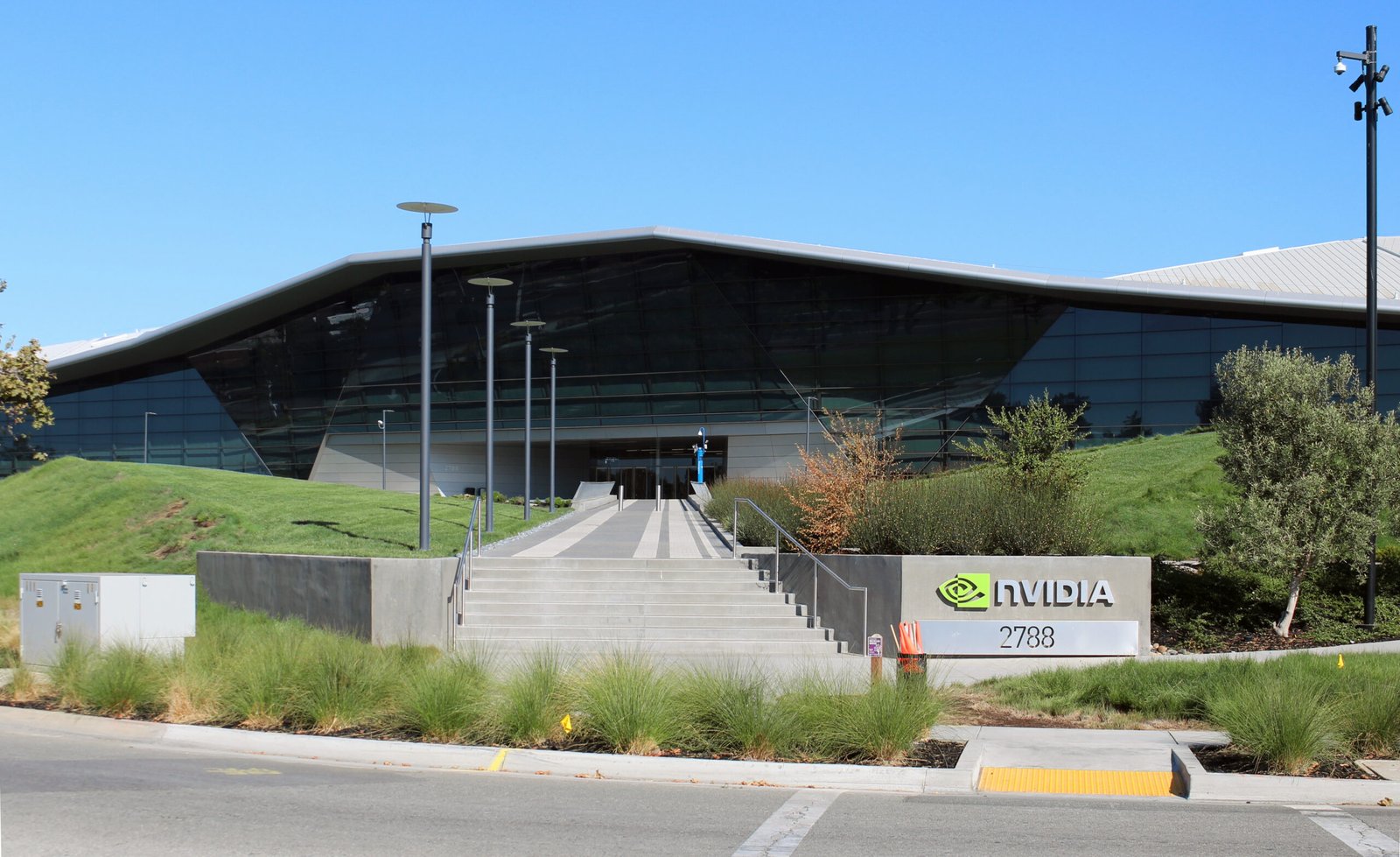
On Wednesday, November 11th, the Wall Street Journal reported that directors were preparing to remove him; the stock fell about 8 percent in after-hours trading. On Thursday, November 12th, Nvidia made it official: Jensen Huang had resigned — the board had accepted his resignation the day before — and Chief Financial Officer Colette Kress became interim CEO. Former Synopsys CEO Harvey Jones became the board’s first chairman. The shares plunged 13 percent in early trading before recovering part of the loss to close at $166.19, down 4.3 percent — the lowest close since March 30th. In that one week, Nvidia shed roughly $550–600 billion in market value.

And it kept falling. Through the following week the stock slid session after session — seven straight down days — as investors priced in a leaderless Nvidia, an open investigation, and the risk that Washington would tighten the export controls that decide where Nvidia may sell its most powerful chips. Senator Elizabeth Warren had already said on the day of the resignation that Jensen Huang’s exit “does not absolve him” or the company “for putting our national security at risk,” and called for tighter controls.
The slide had actually begun weeks before the scandal, amid wider worries about the AI boom, and on Friday, November 20th it got worse: Reuters reported that the Securities and Exchange Commission was looking into Nvidia’s accounting practices, and the stock fell 14 percent in a day — its seventh straight weekly loss, the longest streak since 2008. It closed at $125.53 — down about a third from where it had stood two weeks earlier, and nearly half below its record close of about $239 on October 6.
In the middle of the collapse, on November 17th, Nvidia reported the strongest quarter in its history: revenue of $115.8 billion, up 103 percent from a year earlier, with $107.6 billion of it from data centers. The business was booming. The stock was in free fall. The only thing missing was the founder.
Washington Steps In
What turned the story was not an earnings report. It was politics. In its own statement, Nvidia’s board said it had “received input from senior levels of the United States government” and, based on that input, was confident that Jensen Huang’s reinstatement “poses no national security risk.” And on Monday morning, in a phone interview with CNBC, President Donald Trump claimed the outcome as his own. “I convinced them,” he said.
“I made the deal.” He said he had been speaking to the board “directly and indirectly”; asked whether he had called in to the board meeting itself, he declined to say, adding only that “basically, I was represented at the board.” Semafor reported that he had dialed into a board meeting to push for Jensen Huang’s return. By the President’s own telling, then, the comeback was won partly over the phone — although the board’s own statement never named him.
The board voted unanimously on Sunday, November 22nd, and announced the decision before Monday’s open. Nvidia also confirmed that the independent investigation into the reported foreign-intelligence efforts targeting Jensen Huang will continue despite his reinstatement. Jensen Huang is back — but the file is not closed.
Wall Street’s verdict was instant. The stock opened up more than 30 percent, traded as high as $171.50 during the day, and closed at $165.05. Oppenheimer upgraded Nvidia to “outperform” with a $250 price target, citing the return of founder-led continuity. Even after Monday’s surge, the stock remains roughly a third below its October record — which is why analysts spent Monday arguing about how much of the fall was ever about the company’s business, and how much was about one man.
The Jensen Huang Effect: The Whole AI Trade Roared Back
Nvidia was not the only stock that exploded on Monday. It was the match. The relief ripped through the entire artificial-intelligence trade, and the biggest winners were the companies that feed Nvidia. Dell Technologies, which builds the servers its chips sit in, jumped 20.46 percent. Micron Technology, the memory maker, climbed 19.04 percent. Taiwan Semiconductor (TSMC), which manufactures Nvidia’s most advanced chips, rose 14.08 percent in its U.S.-listed shares. Together, Nvidia’s closest partners added roughly $500 billion in market value in a single session.
The AI infrastructure names went further. Iren surged 23.86 percent, CoreWeave — the Nvidia-backed cloud firm whose shares had whipsawed through the scandal weeks — gained 22.32 percent, and Nebius rose 20.28 percent. Marvell Technology climbed more than 18 percent, Intel about 16 percent and Arm Holdings 16.08 percent. Nvidia’s direct rivals rose far less: AMD gained 6.85 percent and Broadcom about 3 percent. Both had benefited when Jensen Huang’s exit first made a leaderless Nvidia look like market share waiting to be taken — so both gained least from his return. One AI giant went the other way: Anthropic, which had completed the largest IPO in history the week before, slipped about 1.4 percent to close around $87.
Then the whole market followed. The Nasdaq Composite surged 6.51 percent to 24,089.56 — its best day since April 9, 2025, when a pause on most new U.S. tariffs sent the index up about 12 percent in a single session. The S&P 500 climbed 4.73 percent to 7,237.17, snapping a seven-session losing streak, and the Dow Jones Industrial Average jumped 1,447.98 points, or 3.01 percent, to 49,595.31. A week earlier, a brutal AI sell-off had wiped out the indexes’ gains for 2026. On Monday it turned out that much of the AI economy — chips, servers, memory, cloud — had been hanging on the employment status of one founder.
Has a Founder Ever Come Back Like This Before?
Corporate history has a few famous returns — and none moved this much money this fast. Apple pushed co-founder Steve Jobs out of his operating role in 1985; twelve years later, after Apple bought his company NeXT, he came back, became interim chief executive in 1997 with Apple close to collapse, and led one of the best-known turnarounds in business history. In November 2023, OpenAI’s board fired chief executive Sam Altman; after most of the company’s staff threatened to quit and investors pushed back, he was reinstated less than a week later.
Jensen Huang’s eleven days out sit between those two stories. What makes his case different is the scale, and the hand of Washington: no earlier return was ever priced by the market in a single session at close to a trillion dollars, and none was publicly claimed as a win by a sitting President.
What Was the Price of Losing Jensen Huang?
Here is the whole saga in four closing prices. On November 6th, with Huang secure in his job, Nvidia closed at $186.64. On November 12th, the day his resignation was announced, it closed at $166.19. On November 20th, after seven straight losing sessions under an interim CEO, it closed at $125.53. And on November 23rd, the day he came back, it closed at $165.05 — up $39.52 in a single session.
One resignation cost the company roughly a third of its value. One reinstatement added $952 billion in a day. Whatever else the last two weeks proved, they proved this: to the market, Nvidia is not just a chip company. It is, to an uncomfortable degree, Jensen Huang — and when Washington and the board fought over the man, the stock became the scoreboard.
PRICE FILE
- Nov 6, 2026 (before the scandal broke): $186.64 close
- Nov 12, 2026 (resignation announced): $166.19 close, down 4.3% on the day after a 13% intraday plunge
- Nov 20, 2026 (seventh straight losing session): $125.53 close — a 52-week closing low; market value about $3.0 trillion
- Nov 23, 2026 (Huang reinstated): $165.05 close, up 31.48% in one day — about $952 billion added, a record; market value about $3.98 trillion
- The quarter underneath it all (reported Nov 17): revenue $115.8 billion, up 103% year over year; data center $107.6 billion
- Still open: the independent investigation into the alleged foreign-intelligence targeting of Huang continues
- Nov 23 ripple: Dell +20.46% · Micron +19.04% · TSMC +14.08% (about $500 billion added together) · CoreWeave +22.32% · Marvell +18%+ · AMD +6.85% · Broadcom about +3%
- Nov 23 market: Nasdaq +6.51% to 24,089.56, its best day since April 9, 2025 · S&P 500 +4.73% to 7,237.17 · Dow +1,447.98 points to 49,595.31
Editor’s note: this is a news-history account of public events, not investment advice. Prices are closing prices and market values as reported by the sources listed below.
Why did Jensen Huang resign from Nvidia?
Nvidia announced Jensen Huang’s resignation on 12 November, after the board had accepted it the day before. The surrounding crisis included reports of an affair, an open investigation, and fears that Washington might tighten export controls on Nvidia’s most powerful chips. Chief Financial Officer Colette Kress became interim CEO.
How much value did Nvidia add when Jensen Huang returned?
On 23 November, the day the board announced Jensen Huang’s return, Nvidia’s stock closed at $165.05, up $39.52 in a single session, and had traded as high as $171.50. That close added $952 billion in market value in one day, after the shares had closed at $125.53 following the slide.
When did Jensen Huang come back to Nvidia?
Jensen Huang was out for eleven days. The board accepted his resignation around 11 November and announced it on the 12th. It voted unanimously on Sunday, 22 November, to reinstate him and announced the decision before Monday, 23 November’s open, when the stock jumped more than 30 percent at the open.
Did President Trump say he brought Jensen Huang back?
Yes. On the Monday morning of the return, President Donald Trump told CNBC, “I made the deal,” and said he had been speaking to the board “directly and indirectly.” Semafor reported that he had dialed into a board meeting. Nvidia’s own statement did not name him, citing only “senior levels” of the U.S. government.
How far had Nvidia’s stock fallen before Jensen Huang returned?
Before the reinstatement, Nvidia had closed at $125.53 — down about a third from two weeks earlier, and nearly half below its record close of about $239 on 6 October. The slide included seven straight down days and a 14 percent drop on 20 November after Reuters reported an SEC look at accounting practices.
Sources and further reading
- NVIDIA — Board reinstates Jensen Huang as President, CEO and Board Director (press release, 23 Nov 2026)
- NVIDIA — Financial results for third quarter fiscal 2027 (17 Nov 2026)
- CNBC — Jensen Huang reinstated as Nvidia CEO; stock skyrockets 31% (23 Nov 2026)
- CNBC — Nvidia stock plunges 14%, longest weekly losing streak since 2008 (20 Nov 2026)
- CNBC — Nvidia has reinstated CEO Jensen Huang; analysts upgraded the stock (23 Nov 2026)
- Investopedia — Markets News, Nov. 23, 2026
- The Guardian — Nvidia’s value jumped by $950bn as shares close at $165.05 (live blog, 23 Nov 2026)
- The Hill — Elizabeth Warren: Huang’s resignation does not absolve Nvidia
- Barron’s — Nvidia CEO Jensen Huang resigns (12 Nov 2026)
- CNBC — Jensen Huang: Trump sealed deal for Nvidia CEO return (23 Nov 2026)
- CNBC — Transcript: President Donald Trump on “Squawk on the Street” (23 Nov 2026)
- NBC News — Trump says he spoke ‘directly and indirectly’ with Nvidia’s board about reinstating Jensen Huang
- TechCrunch — Trump reportedly called into Nvidia board meeting to advocate for Huang’s return (citing Semafor)
- CNBC — Tech stocks see monster rally after Jensen Huang returns as Nvidia CEO (23 Nov 2026)
- Associated Press — How major US stock indexes fared Monday 11/23/2026
- Financial Express — After brutal AI sell-off, US tech stocks post 19-month high as Nvidia reinstates Huang
- Barron’s — The stocks that explain today’s market
More from History Not Taught
- Capsized in 22 Minutes — The Miracle on the Mississippi
- Can States End the Electoral College Without an Amendment?
- America’s Fastest Ocean Liner Was a Secret Troopship
